
What injuries are most common in Illinois commercial truck crashes?
Catastrophic injuries dominate truck accident cases because of the mass differential — a commercial truck weighs up to 20 times what a passenger vehicle does. Traumatic brain injury, spinal cord damage (paraplegia and quadriplegia), amputation, severe burn injuries from tanker fires, and wrongful death are disproportionately represented compared to ordinary motor-vehicle cases.Why do catastrophic truck-crash injuries drive the highest settlement values?
Case value tracks the projected lifetime cost of the injury, not the bills to date. Traumatic brain injury, quadriplegia, and severe burn cases routinely project $3M–$10M+ in future medical care, attendant services, home modifications, and lost earning capacity. Combined with stacked commercial-auto insurance coverage ($1M–$25M+) and Cook County venue dynamics, catastrophic cases regularly resolve for seven or eight figures on full-coverage carriers.
How long does a catastrophic truck-accident case typically take to resolve?
Twelve to twenty-four months from filing through resolution for a typical serious injury case. Cases with severe brain or spinal cord injuries often extend to 36 months or more — because the plaintiff's future medical needs have to be documented before an accurate settlement demand is possible. Rushing a catastrophic-injury case to early settlement almost always costs the plaintiff the difference between a partial recovery and a full-value one.
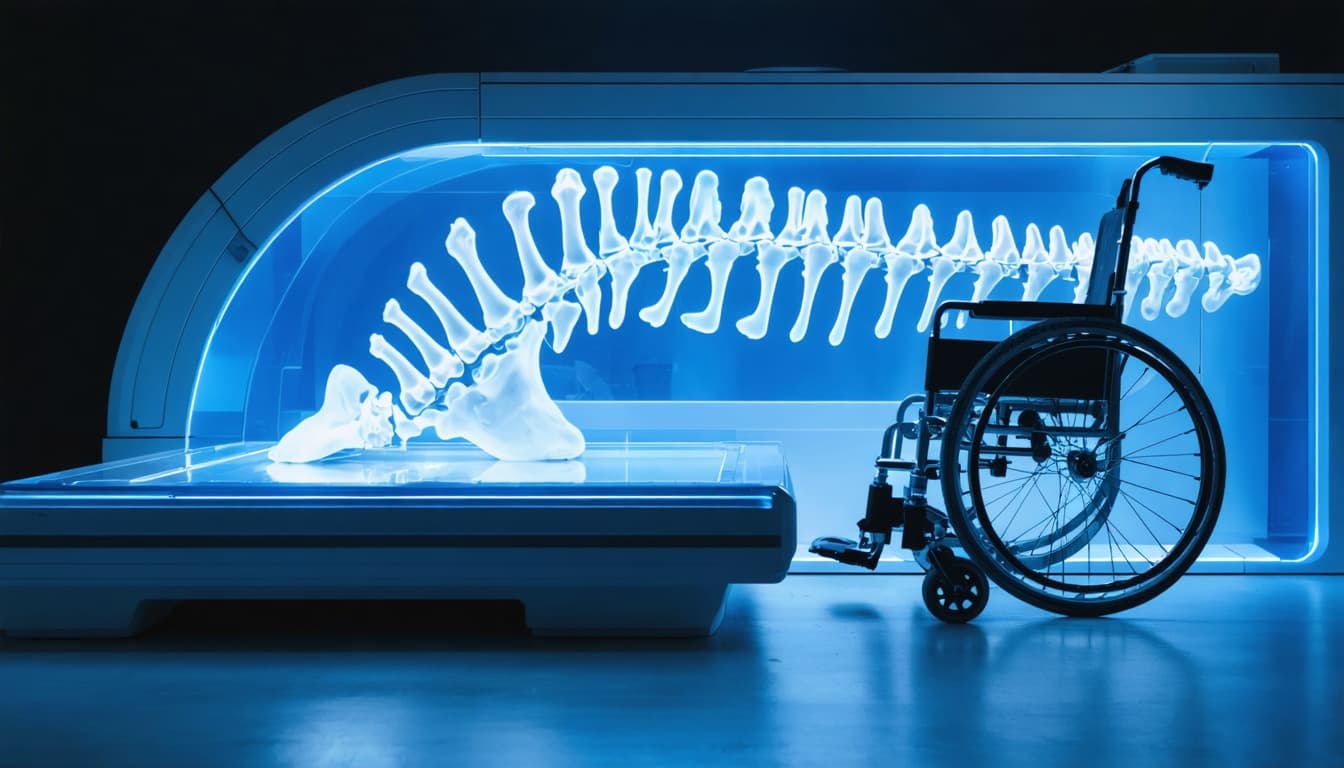
Catastrophic injuries — where case value lives.
Truck cases produce a distinct injury pattern. The mass differential between an 80,000-pound tractor-trailer and a 4,000-pound passenger vehicle concentrates force in ways that ordinary car-accident cases rarely see. Traumatic brain injury, spinal cord damage, amputation, burn injuries, and wrongful death are disproportionately common. Cause-specific investigations — hours-of-service violations, brake failures, or cargo-securement failures — tie the injury to the underlying FMCSR breach.
Case value depends on documenting the full arc of the injury — acute hospitalization, rehabilitation, permanent disability, earning capacity, and life-care costs. Below is our injury-by-injury framework. Each will become a dedicated guide as the library grows.


Explore the rest of the library.
Questions about truck accident injury cases.
How case value, medical experts, and lifetime-cost projections work in catastrophic-injury trucking cases.
Catastrophic injuries produce the highest-value Illinois truck cases — traumatic brain injury, spinal cord damage (paraplegia and quadriplegia), amputation, severe burn injuries, and wrongful death. Lifetime costs for high-cervical tetraplegia exceed $5 million in direct medical care alone; TBI and wrongful death cases routinely reach seven or eight figures on full-coverage carriers.
A life-care planner — typically a rehabilitation nurse or certified vocational planner — develops the projection of the plaintiff’s lifetime care needs and costs. That projection anchors the damages model: ongoing medical treatment, therapies, attendant care, home modifications, adaptive equipment, and case management over the plaintiff’s remaining life expectancy.
The American Spinal Injury Association (ASIA) impairment scale grades spinal cord injury from A (complete) to E (normal). Combined with the anatomical level of injury (cervical, thoracic, lumbar), the ASIA grade determines functional capacity, rehabilitation potential, and lifetime care needs — which together drive case value.
Yes. Mild TBI is mild by grading convention, not by life impact. Post-concussive syndrome, cognitive deficits, mood changes, and occupational limitations can persist for years. Diffuse axonal injury — often invisible on standard CT — is diagnosable via diffusion tensor imaging and neuropsychological testing. Full-value TBI cases frequently start as "mild" diagnoses.
Within days for serious injuries. Traumatic brain injury, spinal cord damage, and internal organ damage all have progression timelines that matter both medically and legally. Early neurologist, neurosurgeon, or trauma specialist consultation documents the baseline clinical picture that every subsequent expert builds on.
Catastrophic injury? Timing matters.
The first 72 hours after a catastrophic truck crash determine evidence preservation, medical documentation, and the full measure of damages. Call for a free consultation.

Find Us
Chicago Truck Accident Lawyers1132 S Wabash Ave, Suite 303
Chicago, IL 60605-2305
Call 24/7312.728.2989
Get Directions