
Why does the type of commercial truck matter in a Chicago accident case?
Each truck type triggers a distinct regulatory framework. Semi-trucks run under 49 CFR 395 hours-of-service rules; tankers add hazmat rules (49 CFR 171–180) and MCS-82 insurance; flatbeds bring the Savage doctrine for shipper liability; box trucks pass through the Graves Amendment analysis; delivery trucks raise Amazon DSP and FedEx Ground contractor-liability questions.How does insurance coverage vary by commercial truck type?
Federal minimums under 49 CFR § 387.9 start at $750,000 for general freight and scale up by cargo class — $1 million for non-bulk hazmat, $5 million for bulk hazmat. Most serious national carriers stack primary coverage to $1M plus excess layers reaching $5M–$25M. Tanker carriers add MCS-82 endorsements on top of that. Box-truck rentals (U-Haul, Penske) are shielded by the Graves Amendment but the renter's own auto policy + any umbrella still apply. Cargo-loading failures can bring shippers, loaders, and brokers into the insurance stack through the Savage doctrine.What changes when a truck is registered as interstate vs. intrastate in Illinois?
Interstate trucks — those operating across state lines — fall under the full Federal Motor Carrier Safety Regulations. Intrastate-only trucks operating entirely within Illinois follow the Illinois Motor Carrier Safety Regulations administered by the Illinois Commerce Commission, which mirror most of the FMCSR but differ on cargo-class rules and some insurance minimums. The vehicle's USDOT and IL MC registration status — pulled from the FMCSA SAFER database within 48 hours of the crash — determines which framework applies.
Chicago truck accident cases, by vehicle.
Every truck type carries its own federal regulations, liability chain, and insurance architecture. A semi-truck case is governed by the FMCSR and MCS-90 endorsements; a tanker case adds hazmat (49 CFR 171–180) and MCS-82 coverage; a box truck case runs through the Graves Amendment; a flatbed case pulls in the shipper under the Savage doctrine. Cause-specific violations — driver fatigue, defective brakes, or improper loading — shape liability inside every one of those frameworks.
Picking the right investigation path starts with identifying the vehicle type and the regulatory framework that applies. Below are the nine truck types we handle — each with a dedicated case strategy.

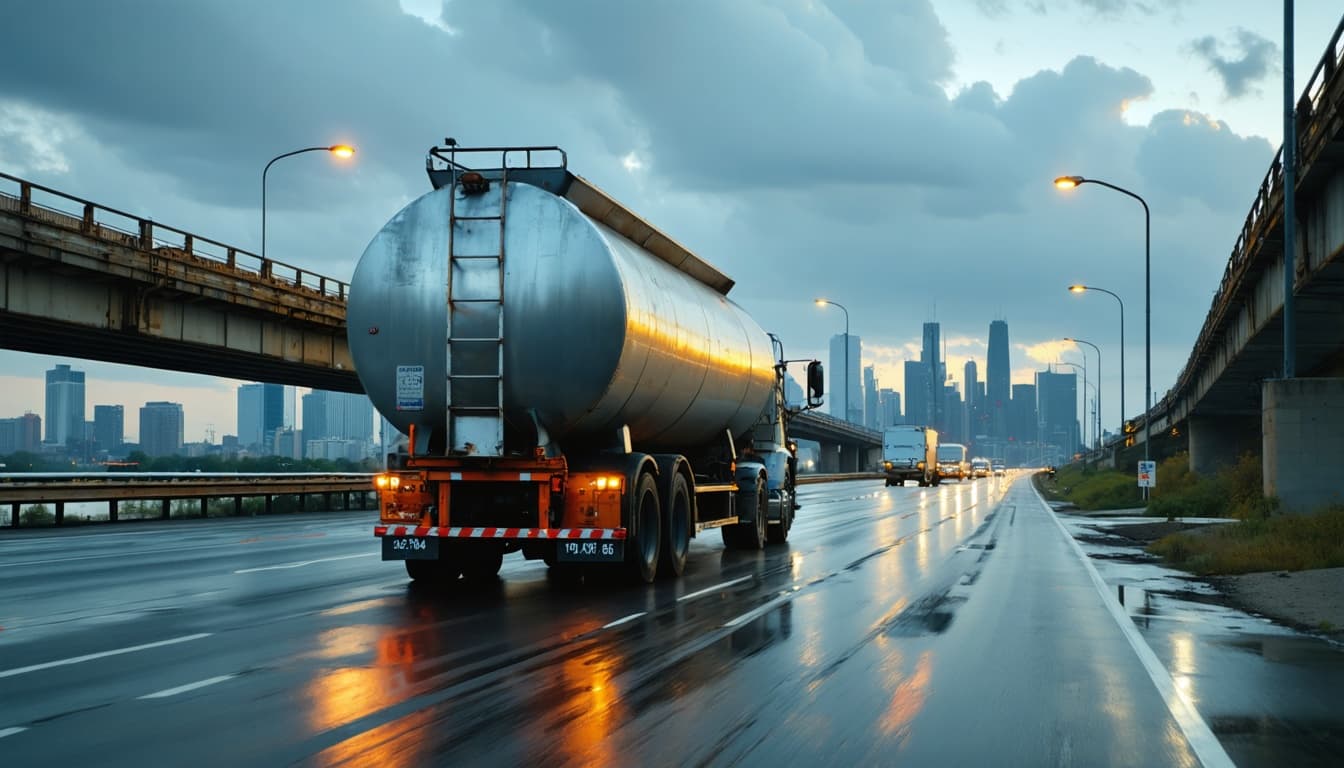


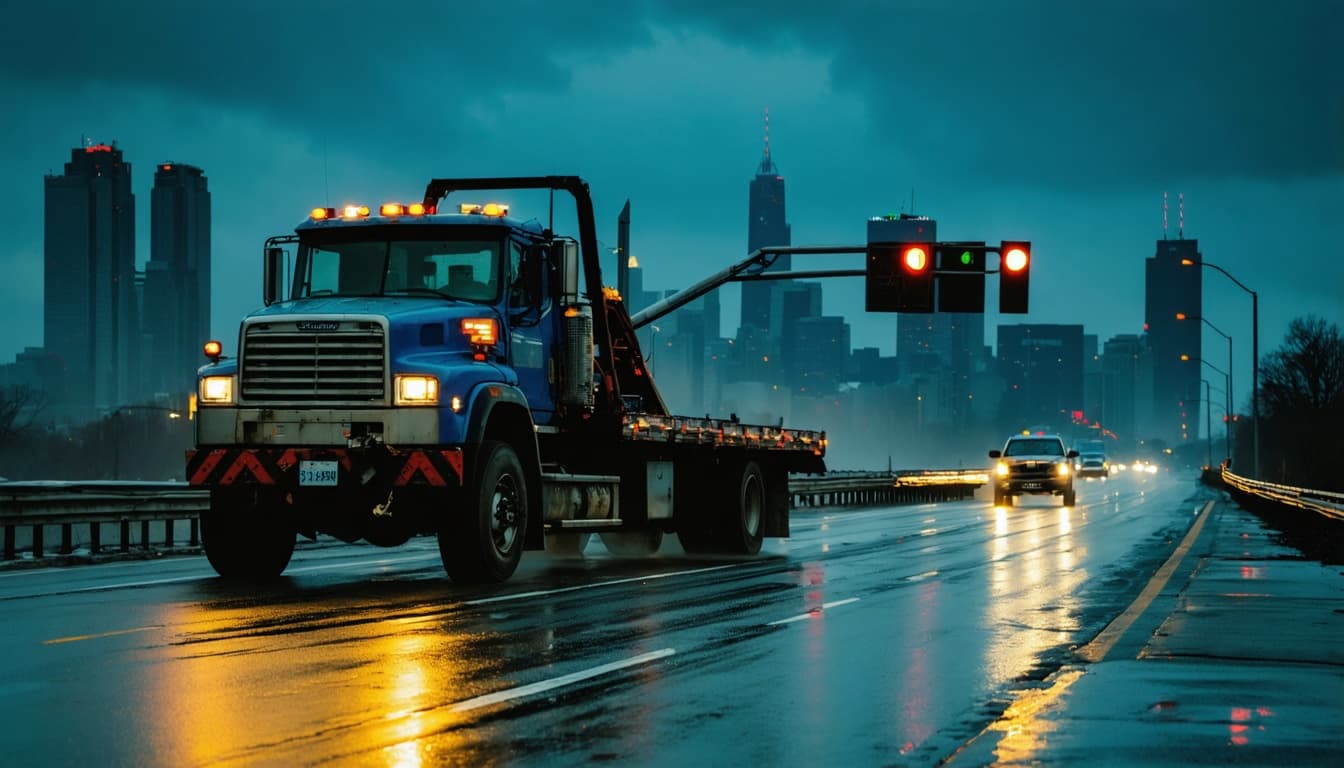
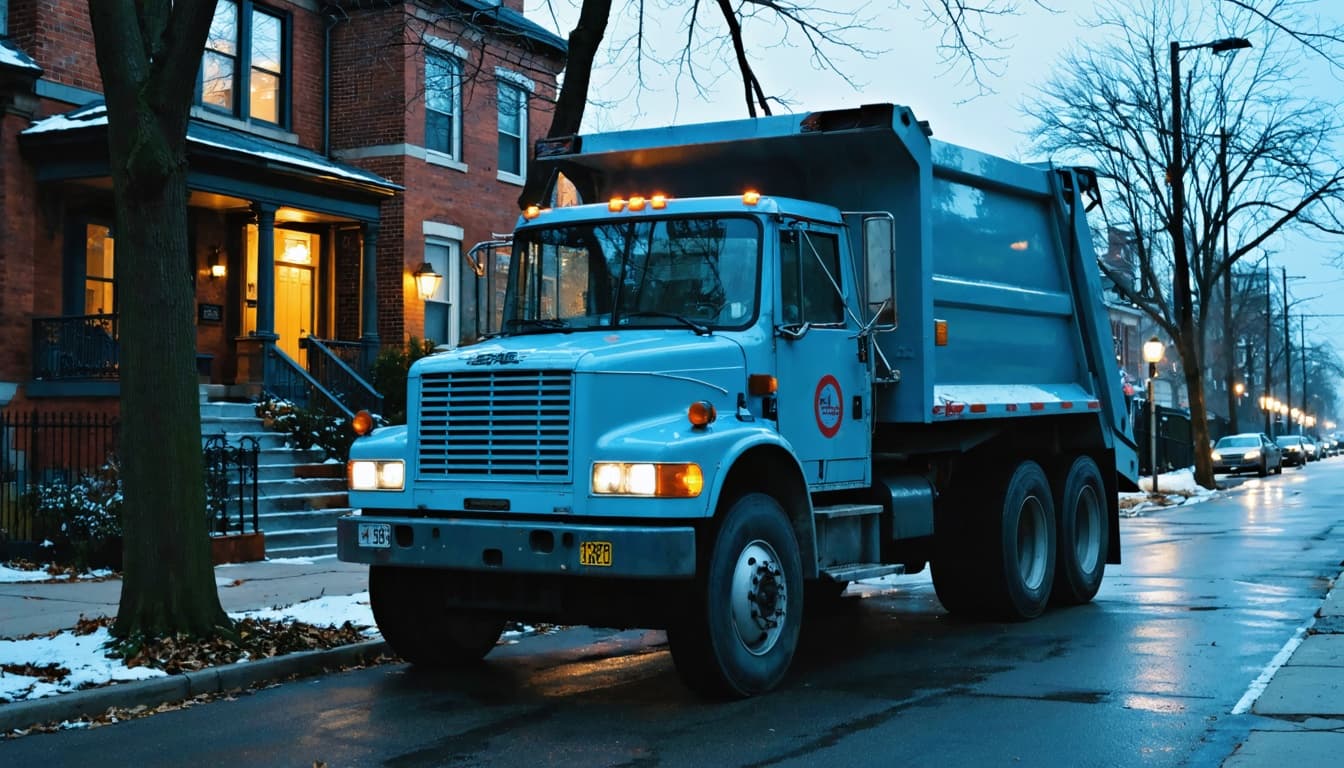
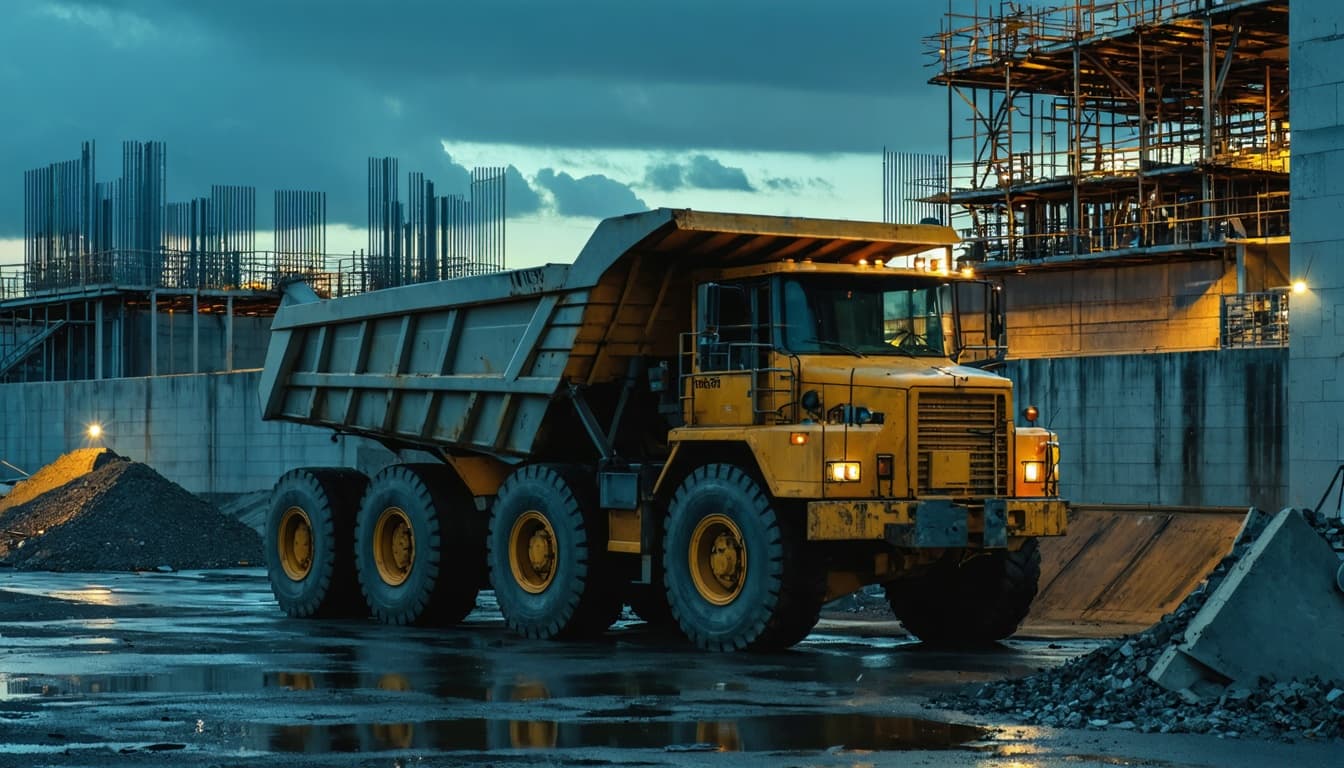


Explore the rest of the library.
Questions about commercial truck types in Illinois cases.
How vehicle class, weight rating, and regulatory scope shape the liability picture across the nine truck types we handle.
Semi-truck (Class 8, 18-wheeler) cases typically reach the highest values because of stacked insurance coverage — $1M primary plus $5M–$25M in excess policies from the carrier, trailer owner, shipper, and broker. Tanker hazmat cases can match or exceed semi-truck cases when MCS-82 endorsement coverage is involved.
Yes. Trucks rated at 26,001 pounds or more require a CDL (Class A or B) and trigger full FMCSR jurisdiction including hours-of-service rules. Under 26,001 pounds, most box trucks and moving vans can be operated on a standard Illinois license, which changes the applicable regulations and often the available insurance coverage.
Every interstate commercial truck is, under the Federal Motor Carrier Safety Regulations. Intrastate-only trucks operating entirely within Illinois follow Illinois Motor Carrier Safety Regulations administered by the Illinois Commerce Commission — which largely mirror the FMCSR but with some differences in cargo-class rules and insurance minimums.
The Illinois Traffic Crash Report filed by responding police always identifies the truck type, USDOT number, carrier name, and license plate. If the crash report is delayed, our office can pull it directly from the Illinois State Police or responding municipal department. The FMCSA SAFER database then identifies the carrier and vehicle history.
Yes — multi-vehicle commercial crashes are not rare on Illinois interstates. A jackknifed semi-truck can strike a box truck, a tanker, or a flatbed in the same sequence. Each vehicle triggers its own regulatory framework, its own liability chain, and its own insurance tower, making multi-truck cases procedurally complex but often high-coverage.
Not sure which truck category your crash falls under?
Call us. A 15-minute conversation with an attorney will identify the vehicle type, the applicable regulations, and whether your case has legs.

Find Us
Chicago Truck Accident Lawyers1132 S Wabash Ave, Suite 303
Chicago, IL 60605-2305
Call 24/7312.728.2989
Get Directions